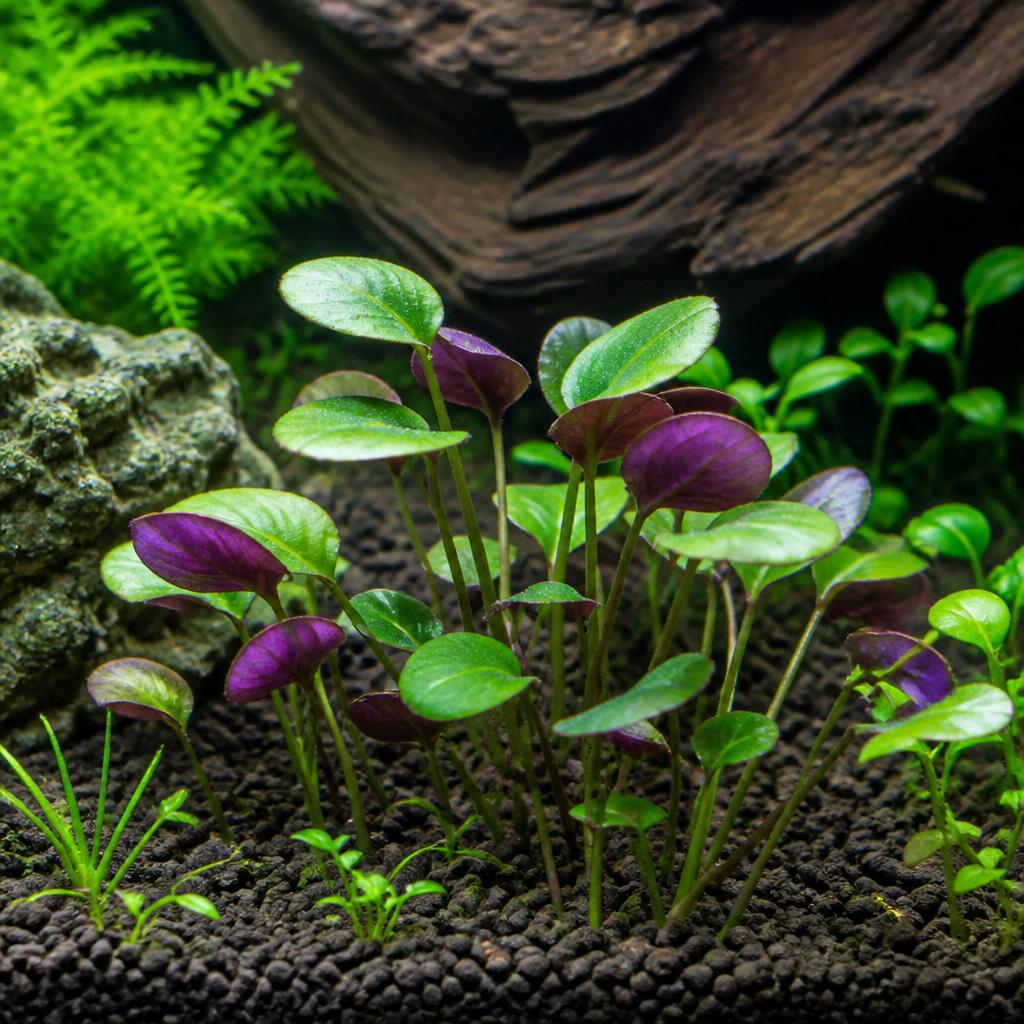
Lobelia cardinalis 'Cardinals'
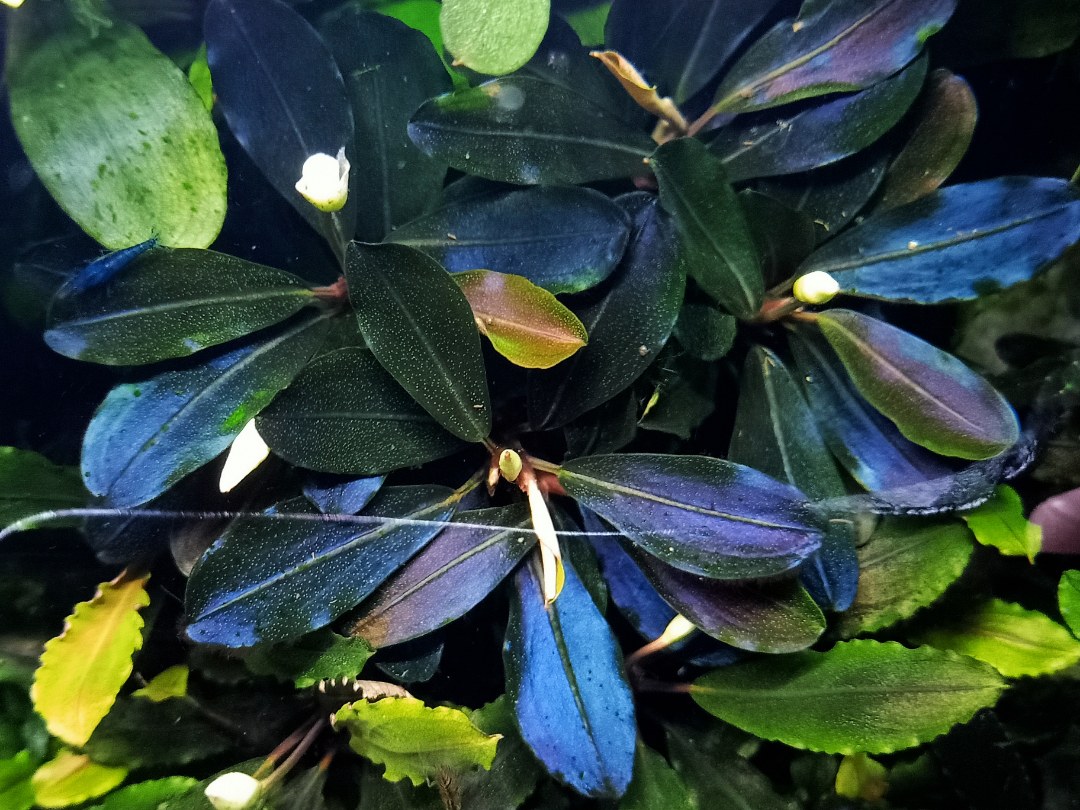
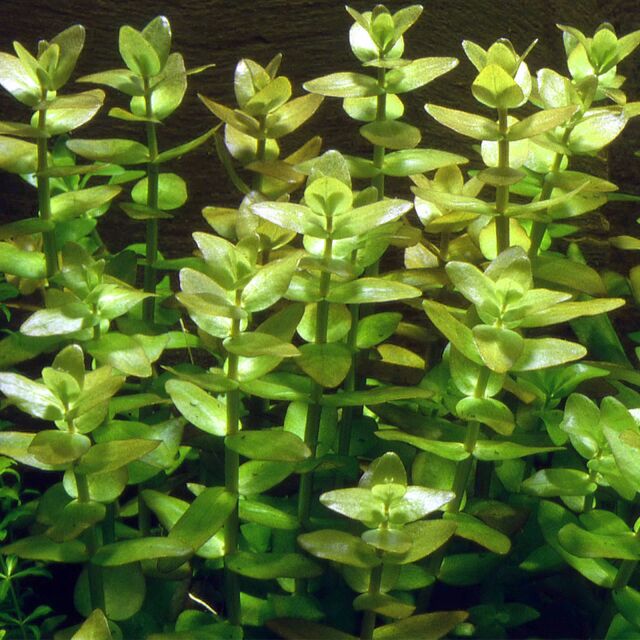
Round green leaves over deep purple undersides — quiet, permanent color.
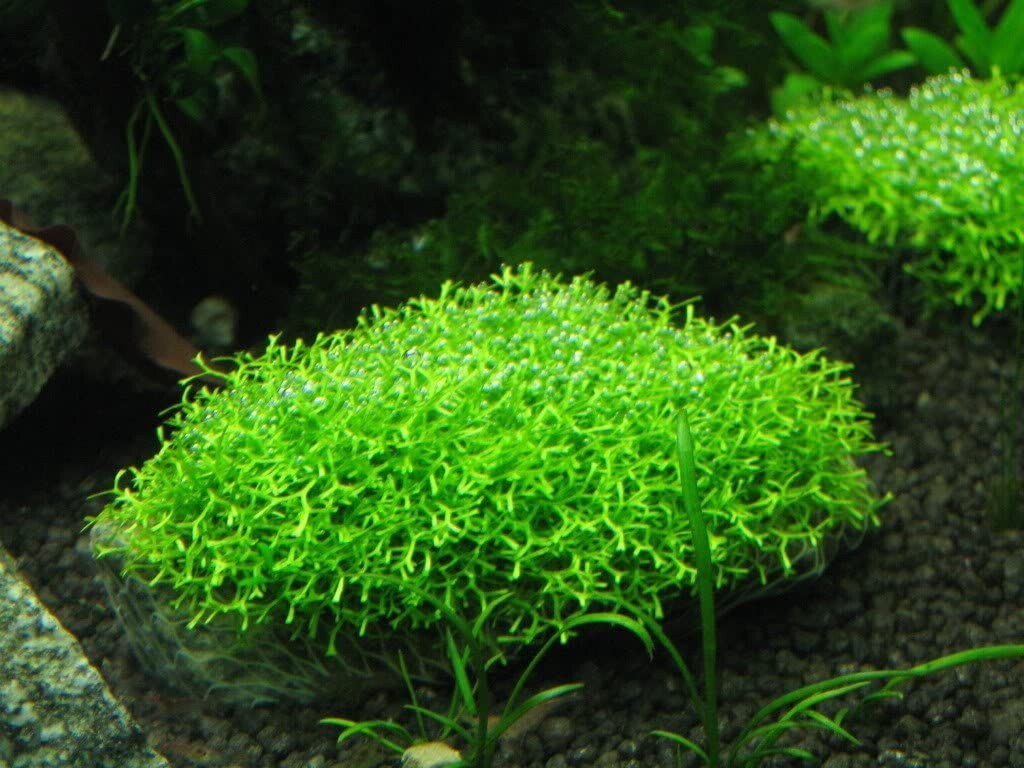
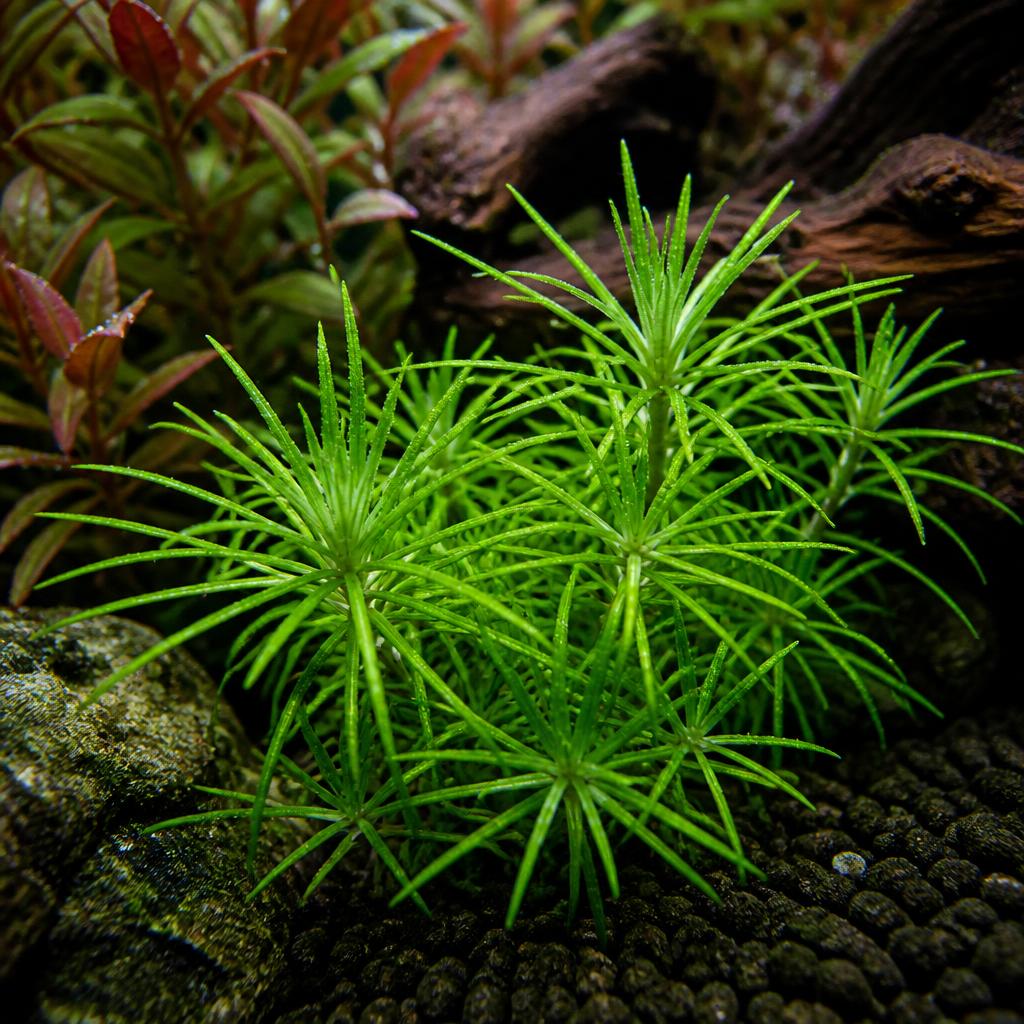
The dwarf form of Lobelia cardinalis grows in short, sturdy stacks of rounded leaves with rich purple-violet undersides that flash whenever the plant moves. It is one of the very few colorful plants that performs perfectly without CO2, making it a rare bridge between low-tech reliability and high-tech color. Farm-raised bundle of submersed-grown stems.
What it needs to thrive
- Lighting
- Moderate — 40–70 PAR. Purple undersides deepen with stronger light.
- Flow
- Low to moderate flow.
- Feeding
- Column and root feeder — dose a complete liquid fertilizer weekly; root tabs for heavy substrate rooters.
- Temperament
- Peaceful — shrimp-safe, fry-safe, and grown pesticide-free.
- Difficulty
- Beginner
- Ideal Tank Size
- 10 gallons and up
- Water Parameters
- 70–80°F · pH 6.0–7.5 · GH 3–10 · KH 1–8 · nitrate 10–25 ppm with a complete liquid fertilizer
Foreground to midground. Plant in tight groups; trim tops and replant to widen the stand.
Peaceful, slow, and non-invasive.
Quarantine, dip, and acclimation
Quarantine
Hold all new fish in a bare-bottom 10–20 gallon QT for a minimum of 4 weeks. Observe for flashing, clamped fins, white spots, or breathing changes. Treat preventatively with copper (1.75–2.5 ppm chelated) or tank-transfer method for ich, plus a praziquantel course for flukes. Invertebrates and corals skip QT but go through dip and observation instead.
Recommended coral dip
For every new coral: a 5–10 minute bath in your reef-safe dip of choice (Bayer Complete, CoralRx, or Reef Primer) following label dosage, followed by two clean saltwater rinses. Inspect plugs and bases for flatworms, pyramid snails, and eggs — remove or refrag onto clean plugs before placing in display.
Acclimation
Float sealed bags in your QT or display for 15 minutes to match temperature. Then drip acclimate at 2–4 drops per second for 45–60 minutes until volume has tripled. Net livestock into the tank — never pour shipping water in. Dim the lights for the first 24 hours to reduce stress.